
Pendle Primary Academy
Online Safety
At Pendle Primary Academy, we understand that the digital world offers incredible opportunities for learning and connection, but it also presents risks. Protecting our pupils online is a core part of our safeguarding duty. Our goal is to equip every child with the knowledge and skills to navigate the digital world safely, responsibly, and confidently.
Our Online Safeguarding Measures in School
Here are some of the key steps we take to keep children safe online in school:
-
Robust Filtering and Monitoring: We utilise an internet content filtering system across the school network. This is actively monitored by staff to prevent children from accessing material that is illegal, harmful, or inappropriate while on school premises. Important Note: While we use the best available technology, no filtering system is 100% effective due to the constant development of new technologies and the dynamic nature of online content. Our robust supervision and education are vital complements to these technical measures.
-
Supervised Access: Children at Pendle Primary Academy access the internet and online learning tools only under the direct supervision of school staff.
-
Education: Online Safety is embedded within our curriculum, teaching children how to stay safe, recognise risks, and report concerns.
Resources and Support
We encourage parents and carers to work with us to ensure safety extends beyond the classroom:
-
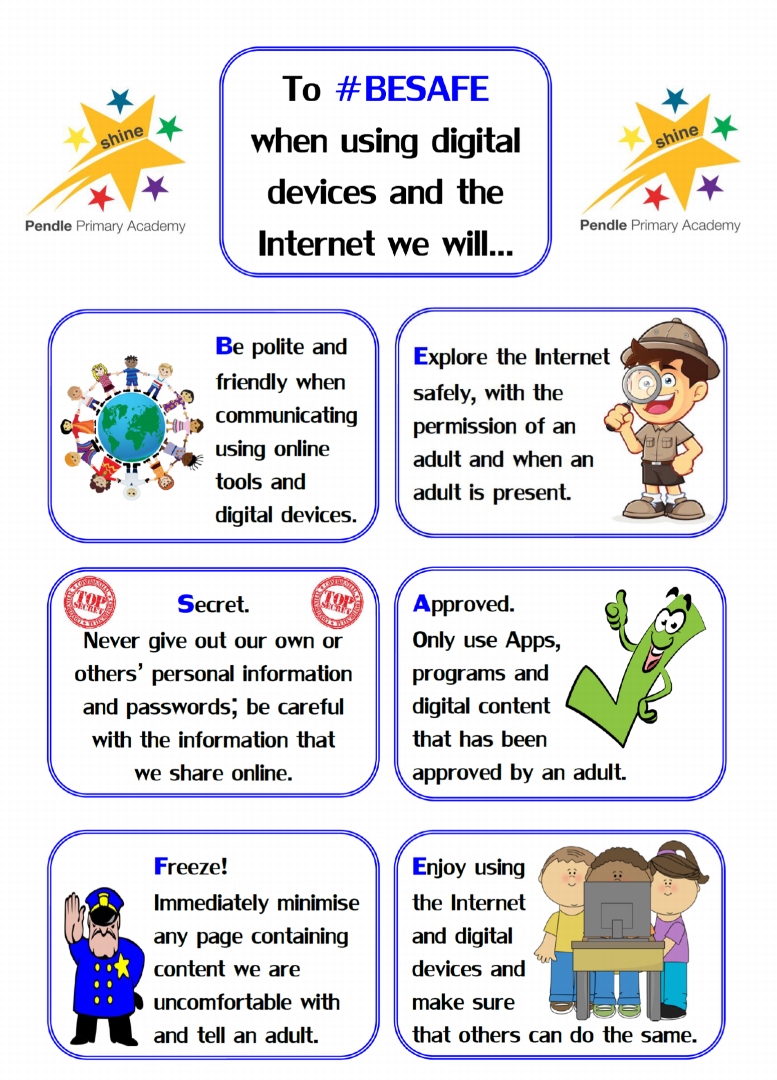
For Children: Children can learn more about staying safe online by visiting our dedicated #BESAFE page on the PPA Stars website.
-
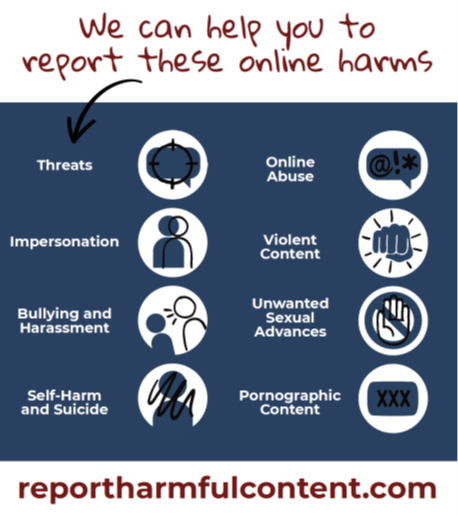
For Parents: Below you will find a range of helpful links and resources (from organisations like CEOP and the NSPCC) to support you in keeping your child safe when using the internet and online devices at home.
-
Concerns: If you have any concerns or questions about online safety or digital devices, please do not hesitate to ask the school office if you can speak to Miss Jermyn, our Online Safety leader.
- Click here to read our Online Safety policies and information


A Parent's Guide to AI: The New Digital Playground
You're likely hearing a lot about Artificial Intelligence (AI). It’s a new and exciting part of our world, and our children are growing up with it. This guide is here to simply explain what AI is and offer some helpful, friendly tips on how you can support your child at home.
What is AI? A Simple Guide
Think of AI as teaching a computer to be a clever helper. It learns to spot patterns and make smart guesses. Your child already uses it every day! It’s the ‘magic’ that:
- Suggests their next favourite cartoon on Netflix or YouTube Kids.
- Powers fun filters on photo apps.
- Helps characters in their video games respond to how they play.
- Allows a tablet to understand their voice when they ask a question.
It’s all about making technology smarter and more helpful for us.
AI in School: A New Crayon in the Box
In primary school, we see AI as another tool for learning and creativity, just like building blocks or paint. We are exploring how it can help children to:
- Brainstorm ideas: "Give me five fun ideas for a story about a dragon who loves to bake."
- Explore topics: "Explain how a caterpillar turns into a butterfly in a simple way."
- Create amazing pictures: Bringing their imaginative ideas to life with AI art tools.
Our goal is to teach children to be the boss of the technology, using it to explore their own wonderful ideas.
Guiding Your Child with AI at Home
You don't need to be a tech expert to guide your child. Staying curious and involved is the most important thing.
- Play and Explore Together: Sit with them and try out a creative AI tool. Ask questions like, "What amazing thing shall we ask it to create next?" This shows you're interested and helps you see what they're doing.
- Encourage 'Real World' Checks: If you ask an AI a question, like "How tall is a giraffe?", praise your child for checking the answer in a book or on a trusted site like National Geographic Kids. This teaches them that AI isn't always right.
- Talk About Sharing: Remind your child about online safety. We only ever use our first name and never share personal details like our home address or school name online.
- Balance is Key: AI is fun, but it's still screen time. Make sure there’s plenty of time for outdoor play, reading books, and other activities away from screens.
Useful Links for Curious Parents
- NSPCC (Online Safety): Great advice on the basics of keeping children safe online. https://www.nspcc.org.uk/keeping-children-safe/online-safety/
- Internet Matters (AI Guide): A clear and simple guide specifically about AI for parents. https://www.internetmatters.org/issues/generative-ai/
- UK Government (AI in Education): To see what’s being discussed at a national level. https://www.gov.uk/government/publications/generative-artificial-intelligence-ai-in-education